
Bridging Distances with Precision Engineering
Steel bridges offer unparalleled advantages over traditional concrete structures, specifically their phenomenal strength-to-weight ratio. This makes them the ultimate solution for large-span river crossings, elevated highways, and urban pedestrian overpasses.
From heavy-duty box girders supporting constant vehicular traffic to modular Bailey bridges designed for rapid emergency deployment, YG Steel Structure utilizes high-tensile structural steel combined with deep anti-corrosion galvanization to ensure 50+ years of maintenance-free service life.
- Exceptional Spanning Capability
- Rapid Modular Erection
- High Seismic & Wind Resistance
- Marine-Grade Anti-Corrosion
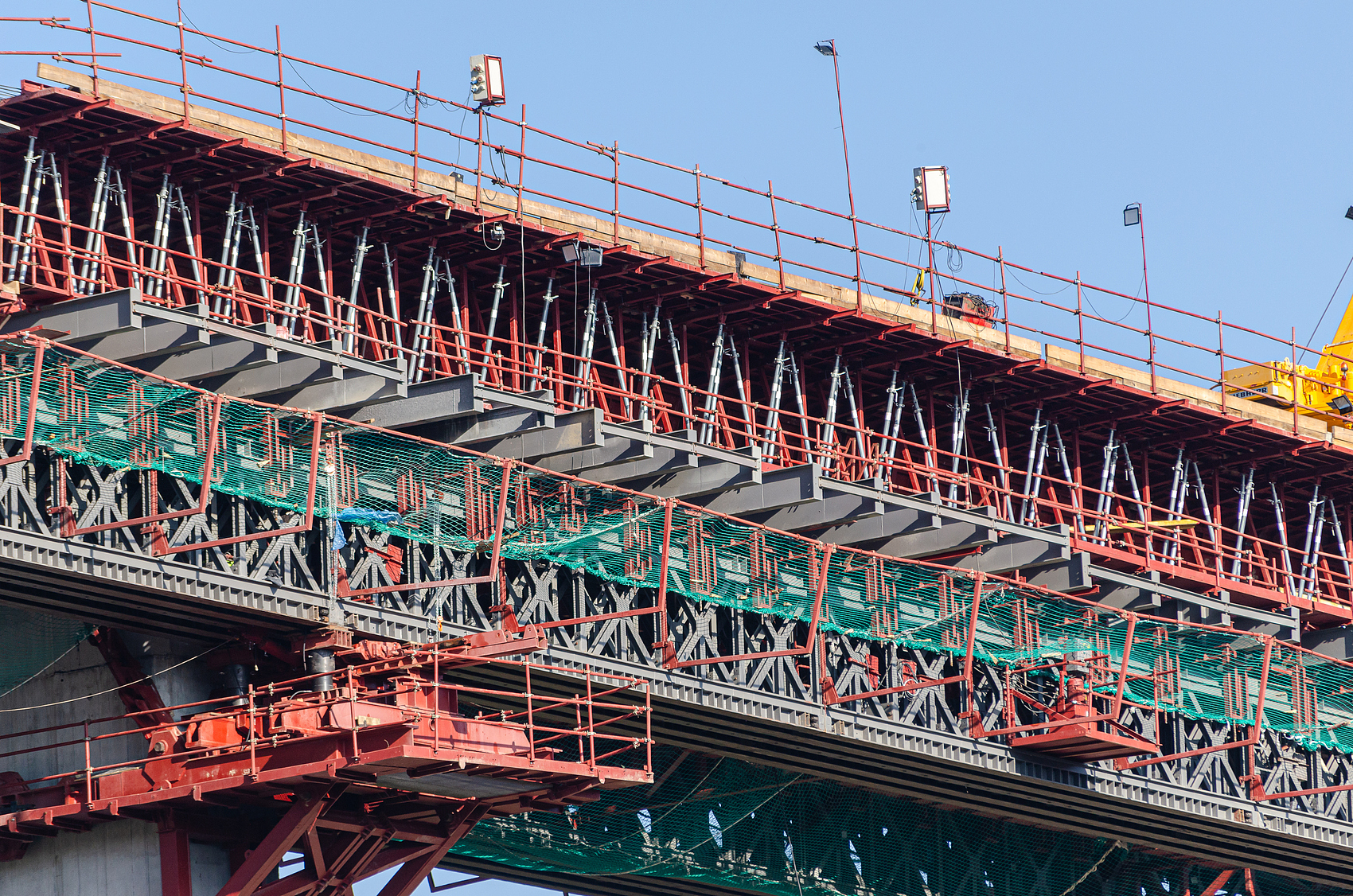
Bridge Typology & Key Components
Steel Truss Bridges
The most efficient design for long spans. Built from an interconnected network of triangles using high-grade tubular or H-section steel to distribute heavy dynamic loads evenly.
Bailey Bridges
Modular, pre-fabricated systems designed for rapid assembly. Perfect for emergency relief, temporary detours, or remote areas lacking heavy lifting equipment.
Pedestrian Overpasses
Sleek steel box girders or arched frames providing safe, highly aesthetic urban crossing solutions, often integrated with glass canopies and lighting.
Box Girder Bridges
Enclosed steel tubes offering immense torsional stiffness. Ideal for curved highway overpasses and light rail transit lines requiring high aesthetic appeal.
Bridge Engineering Specifications
Manufactured in strict adherence to AASHTO and international bridge codes, ensuring absolute safety for public infrastructure.
| Bridge Span Capacity | 15m to 150m+ (depending on structural type: Bailey, Truss, or Arch) |
|---|---|
| Main Steel Material | High-tensile Q355B / Q420 / ASTM A572 Gr.50 or higher grade bridge structural steel |
| Decking System | Orthotropic steel deck / Concrete composite deck / Anti-skid checkered steel plate |
| Connection Methods | Friction-grip high-strength bolts (Grade 10.9) and full-penetration factory submerged arc welding |
| Surface Anti-Corrosion | Hot-Dip Galvanized (HDG) up to 85μm-100μm / Multi-layer marine grade epoxy & polyurethane coating systems |
| Design Standards | AASHTO, Eurocode, or GB (depending on project location requirements) |
| Fatigue Resistance | Engineered to withstand millions of dynamic stress cycles from heavy vehicle/train loads |
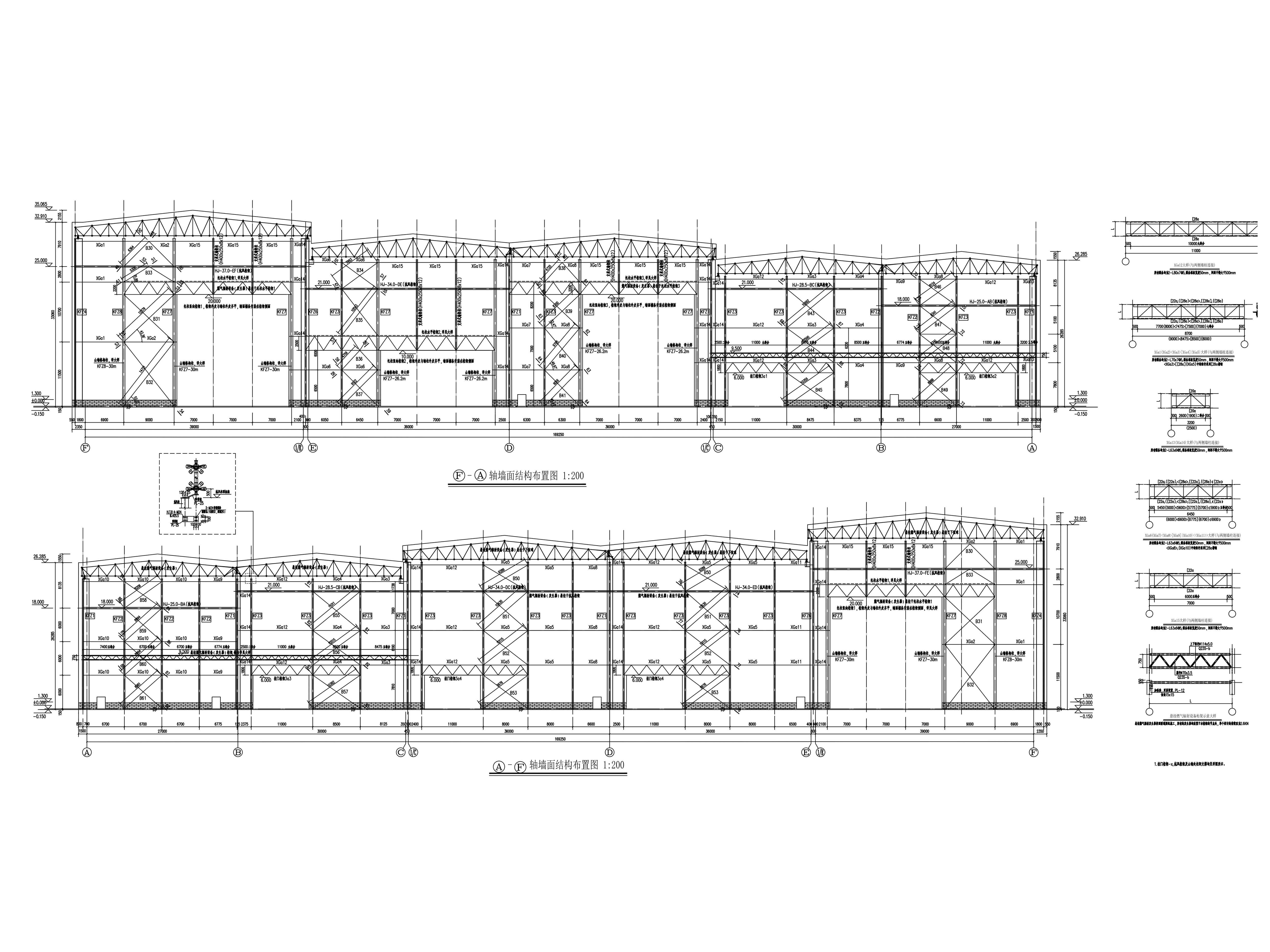
Advanced Bridge Fabrication
Bridges demand zero margin for error. Our engineering team utilizes advanced finite element analysis (FEA) and Midas Civil software to simulate dynamic traffic loads, seismic shocks, and wind resonance before manufacturing begins.
Pre-Assembly Verification
For complex truss bridges, we conduct a full-scale pre-assembly test in our factory lot to verify perfect alignment of all bolt holes before shipping.
Flawless Automated Welding
Critical stress points are welded using multi-pass submerged arc welding, ensuring 100% penetration and zero internal defects.
Extreme Environment Coating
For river or coastal bridges, we utilize deep hot-dip galvanization combined with heavy marine-grade epoxy paints to halt corrosion entirely.
Comprehensive 30-Step Quality Control
Zero compromises on safety. Before shipping, your bridge components must pass our strict factory inspection protocol compliant with GB 50205-2020 and AWS D1.5 bridge welding standards.
| Category | No. | Inspection Item | Acceptance Criteria & Tolerance | Method / Tools |
|---|---|---|---|---|
| I. Raw Material Incoming | 1 | Material Certification | Original Material Test Certificates (MTC) required; Grade, Size, and Heat No. must match the physical material. | Document Review |
| 2 | Stamps & Markings | Steel surface must have clear manufacturer stamps or batch IDs. Tracking numbers must be legible. | Visual Check | |
| II. Thickness Acceptance | 3 | Under-Tolerance Control | Under-tolerance must be within limits. For Export: Recommended actual thickness ≥ Nominal -0.3mm. | Micrometer / UT Gauge |
| 4 | Surface Defects | No bubbles, scabs, cracks, inclusions, or pressed-in iron oxide scale allowed. | Visual Check | |
| III. Cutting & Nesting | 5 | Part Dimensions | Length & Width tolerance: ±2.0 mm. | Steel Tape |
| 6 | Cut Perpendicularity | ≤ 10% of thickness, and max ≤ 2.0 mm. | Square / Feeler Gauge | |
| 7 | Cut Surface Roughness | Machine Cut ≤ 0.2 mm; Manual Cut ≤ 0.3 mm. | Roughness Template | |
| 8 | Notches / Edge Defects | Depth ≤ 1.0 mm; deeper defects must be ground smooth or repaired. No sharp notches allowed. | Depth Gauge | |
| IV. Assembly / Fitting | 9 | Jig & Leveling | Platform flatness deviation ≤ 3.0 mm; tack welds must be sound and free of cracks. | Level / Visual |
| 10 | Section Size (H/B) | Height & Width tolerance: ±2.0 mm. | Steel Tape | |
| 11 | Web Center Offset | Web center to Flange center offset ≤ 2.0 mm. | Steel Ruler | |
| 12 | Flange Squareness | Deviation b/100 and ≤ 2.0 mm. | Square / Feeler Gauge | |
| 13 | Overall Length | Total component length tolerance: ±3.0 mm. | Steel Tape / Laser | |
| 14 | Assembly Gap | Joint gap: 1.0 ~ 3.0 mm (depending on WPS). | Feeler Gauge | |
| V. Welding Execution | 15 | Pre-weld Cleaning | No rust, oil, or moisture within 20mm of the groove/edge. | Visual Check |
| 16 | Weld Appearance | No cracks, weld bumps, burn-through, or craters; Reinforcement: 0 ~ 3 mm. | Weld Gauge | |
| 17 | Weld Leg Size | Meet design requirements; Tolerance: 0 ~ +3.0 mm. | Weld Gauge | |
| 18 | Internal Defects | No surface porosity/slag in Class I welds; Undercut strictly controlled. | Magnifier / Visual | |
| 19 | NDT (UT/RT) | 100% UT/RT on all main bridge girders and critical tension joints. | NDT Report | |
| VI. Shot Blasting | 20 | Blast Grade | Must reach Sa 2.5 Grade (Near-white metal, no visible scale/rust). | Visual Comparison |
| 21 | Surface Roughness | Maintain 40 ~ 75 μm (or per paint datasheet). | Roughness Gauge | |
| 22 | Cleanliness | Surface must be blown clean; no dust, oil, or residual steel grit. | White Cloth Test | |
| VII. Coating & Painting | 23 | Dry Film Thickness | 80-20 Rule: 80% points meet spec; 20% points not less than 80% of spec. | DFT Meter |
| 24 | Coating Integrity | No damage, no missed spots, no sags, and strictly NO RUST SPOTS. | Visual (100%) | |
| 25 | Adhesion | Cross-cut test must achieve Grade 0 ~ 1. | Cross-cut Kit | |
| VIII. Final Audit & Loading | 26 | Global Geometry | Strict adherence to bridge camber requirements. | Plumb Line / Tape |
| 27 | Pallet/Crate Quality | Pallets must be robust; load-bearing capacity must prevent deformation. | Load Inspection | |
| 28 | Container Fit | Overall package width fits container interior or flat-rack specifications. | Steel Tape | |
| 29 | Categorized Stacking | Sorted stacking; use timber or rubber pads between items to prevent paint damage. | Visual Check | |
| 30 | Bracing & Lashing | Items secured to pallets, and pallets secured to container via steel straps. | Tightness Check |
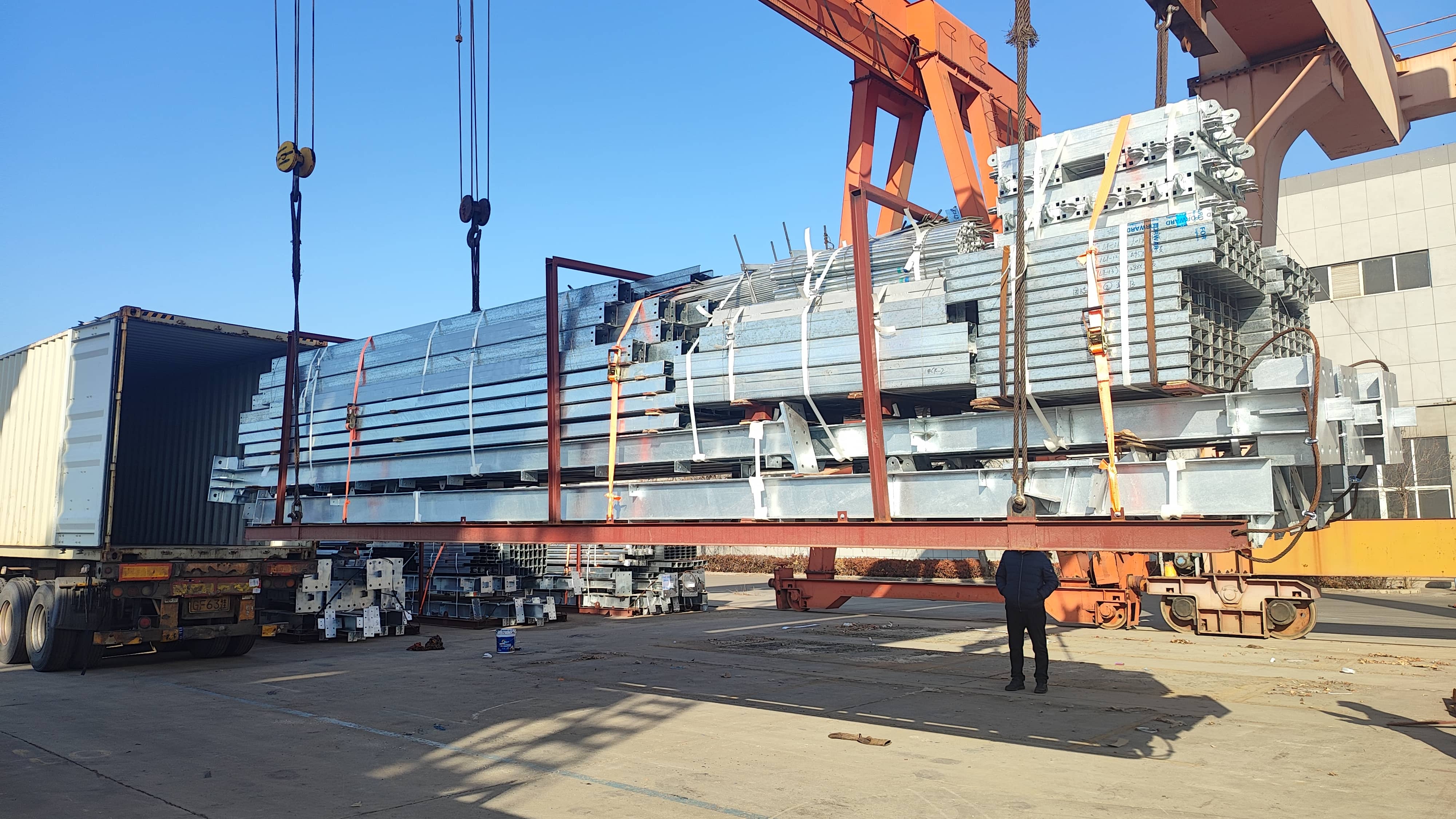
Steel Bracket Packaging System
To guarantee that your massive bridge girders and truss components arrive in pristine condition, we abandon traditional loose loading. Instead, we utilize a proprietary Steel Bracket Unitized Packaging System.
Massive steel box girders, Bailey bridge panels, and arch components are meticulously categorized, padded with protective rubber, and strapped onto heavy-duty steel skids. This not only prevents paint friction and collision damage during ocean transit but also allows for rapid, one-lift crane unloading at your construction site.
- Zero Paint Damage Guarantee
- Maximized Container Space Utilization
- Fast & Easy On-Site Unloading
Related Bridge Projects
Explore how our steel bridges are conquering challenging terrains and transforming urban connectivity around the world.
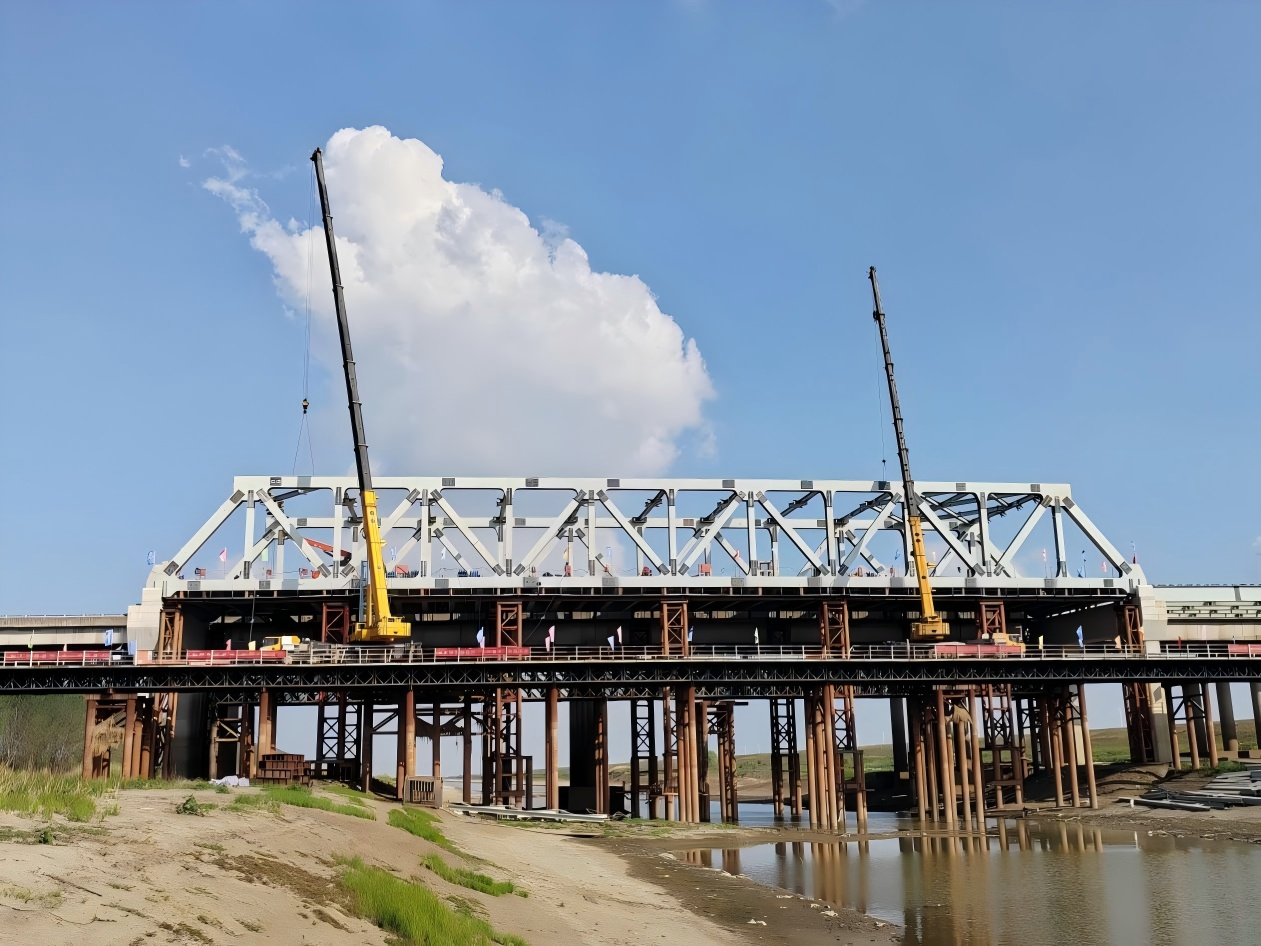
50-Meter Span Steel Truss Bridge
Clear Span: 50 Meters
Weight: 400 Tons
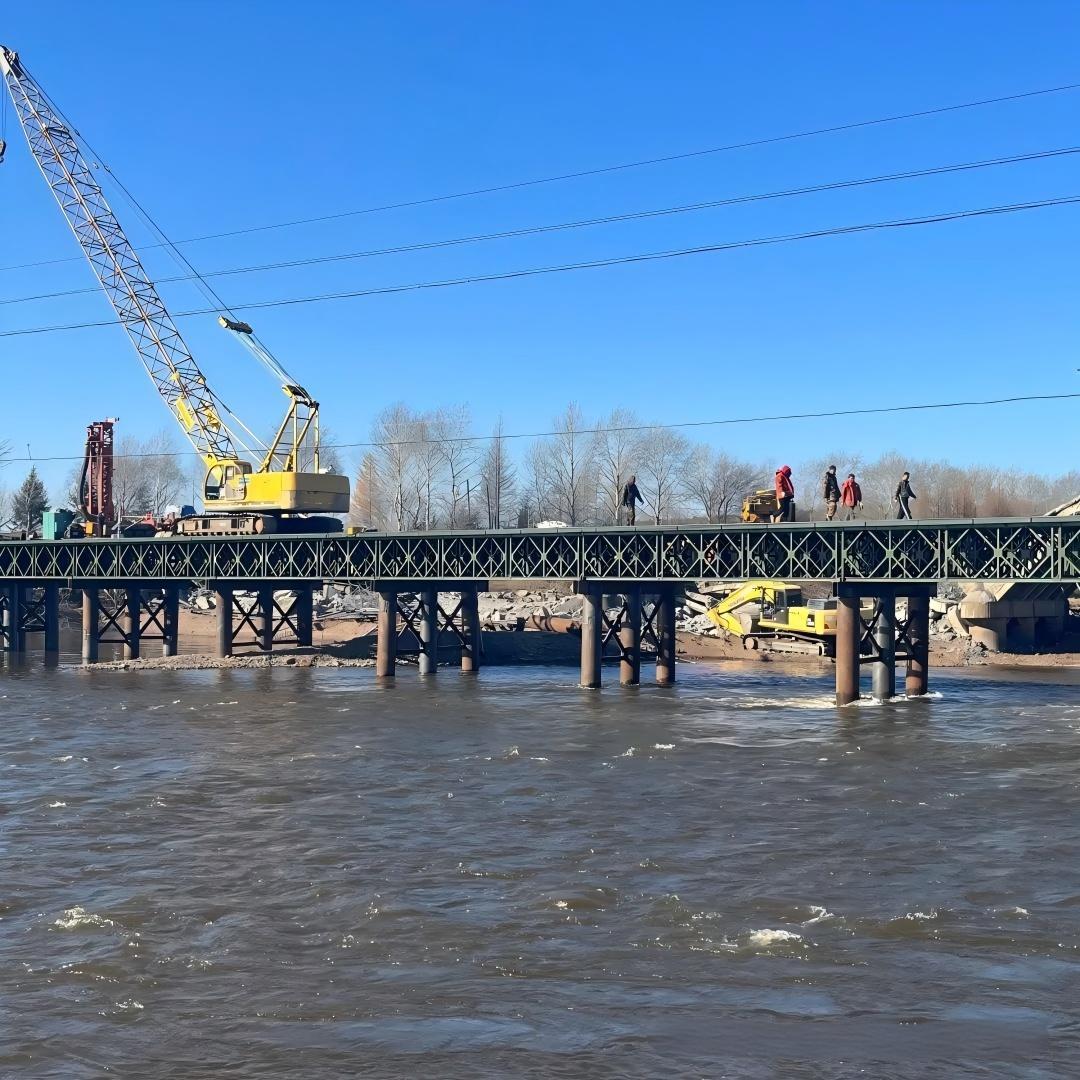
Galvanized Steel Bailey Bridge
Type: Bailey / Truss Bridge
Advantage: Fast Modular Erection
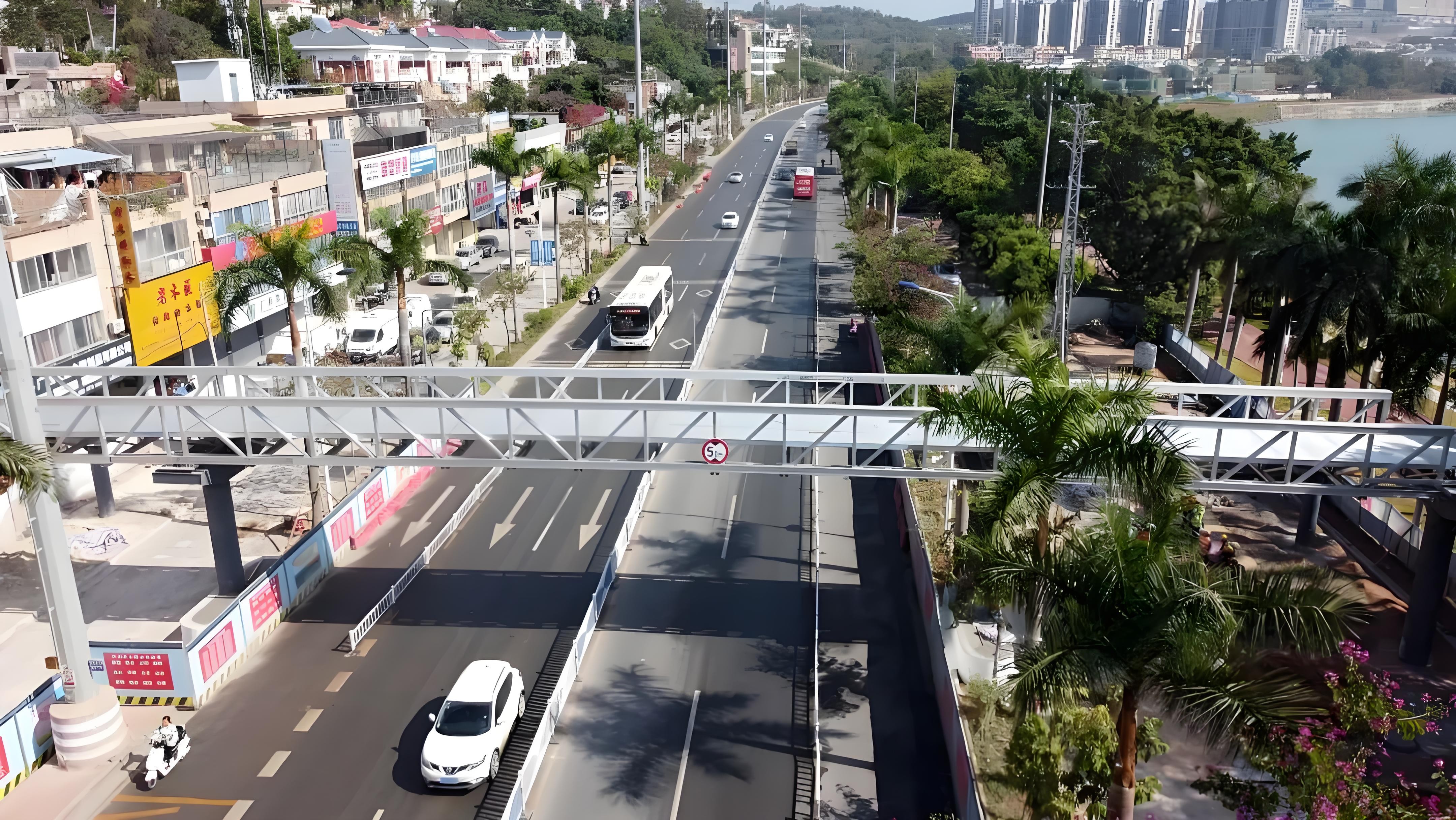
Steel Pedestrian Overpass
Type: Pedestrian Bridge
Treatment: Hot-Dip Galvanized