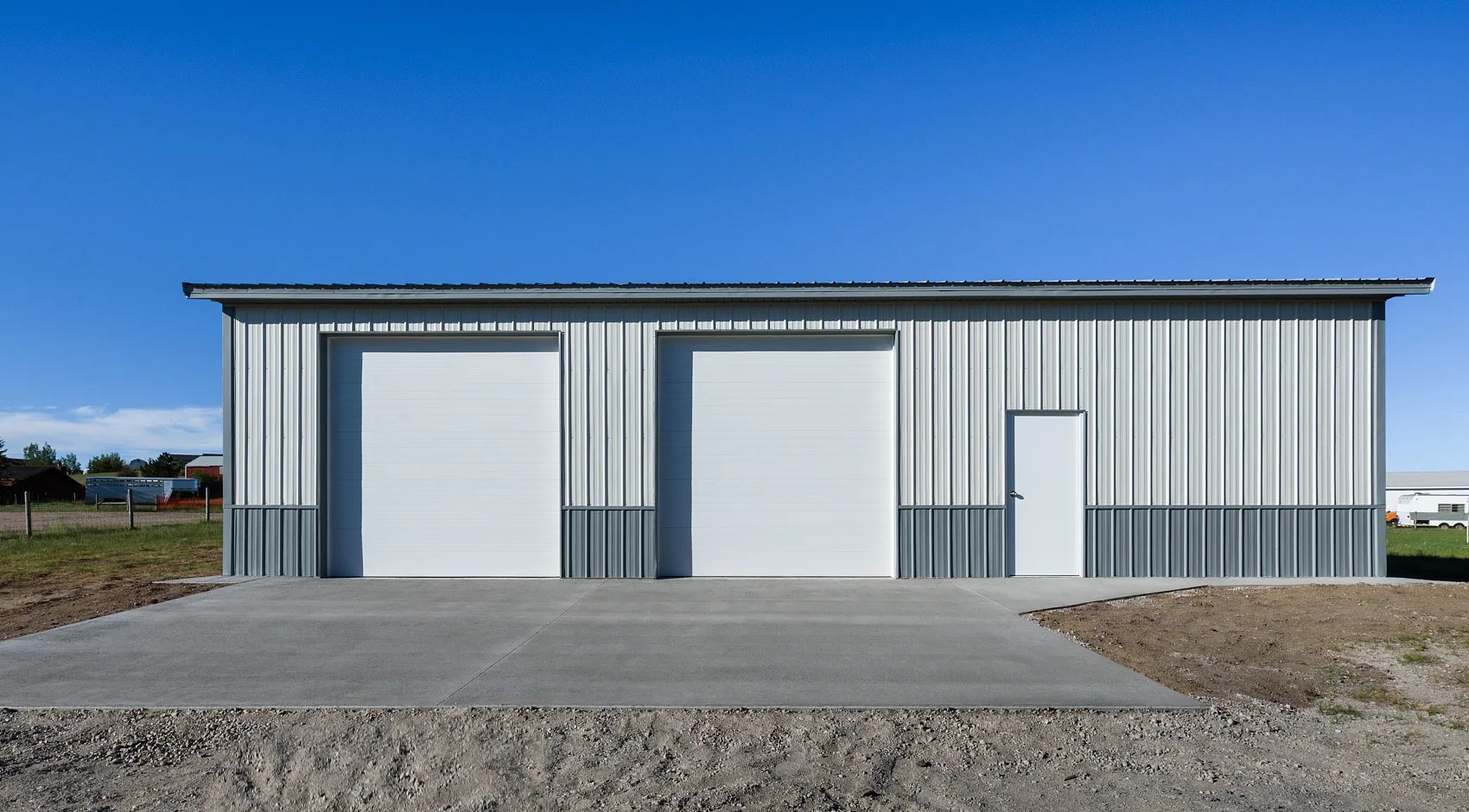
Complete Cladding & Roofing Systems
A strong steel framework is only half the building. Xin Qiao Steel Structure operates continuous, automated production lines to manufacture high-performance composite sandwich panels and single-layer profiled steel sheets. Our cladding systems ensure your facility achieves optimal energy efficiency, stringent fire ratings, and a stunning architectural finish.
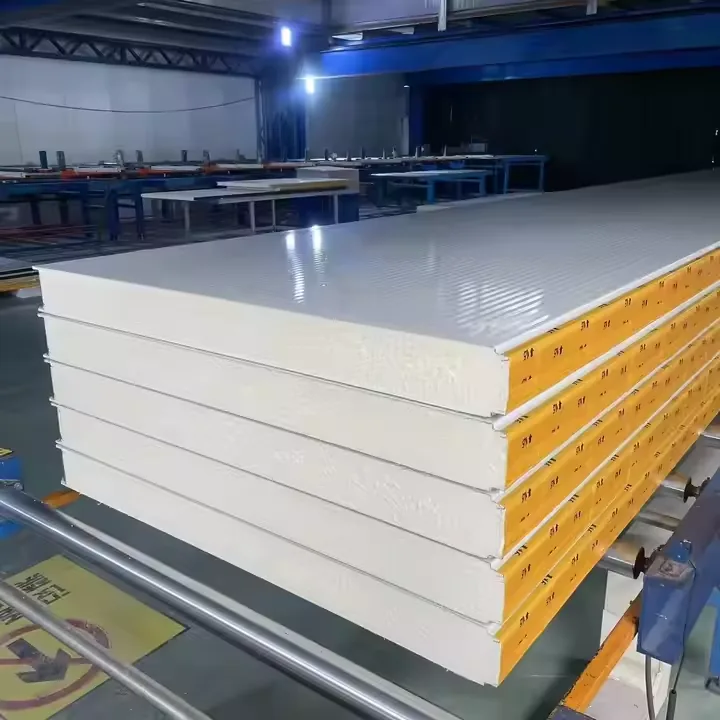
PU / PIR Sandwich Panel
High-density Polyurethane core. Offers the lowest thermal conductivity in the industry for supreme energy savings.
- Core: Polyurethane Foam
- Best For: Cold storage, food processing, clean rooms.
- Fire Rating: B1 / B2
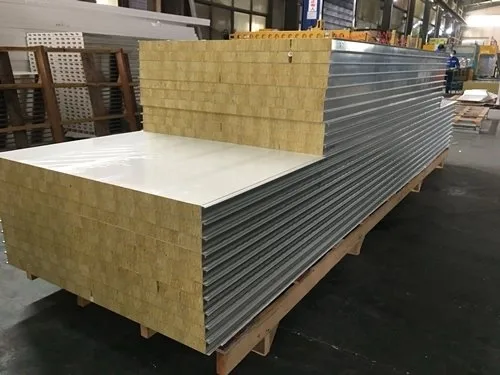
Rock Wool Sandwich Panel
Made from basalt rock fibers. Provides the ultimate fire barrier and excellent acoustic absorption for noisy environments.
- Core: Mineral Rock Wool
- Best For: Public buildings, chemical plants, noisy workshops.
- Fire Rating: Class A (Non-combustible)
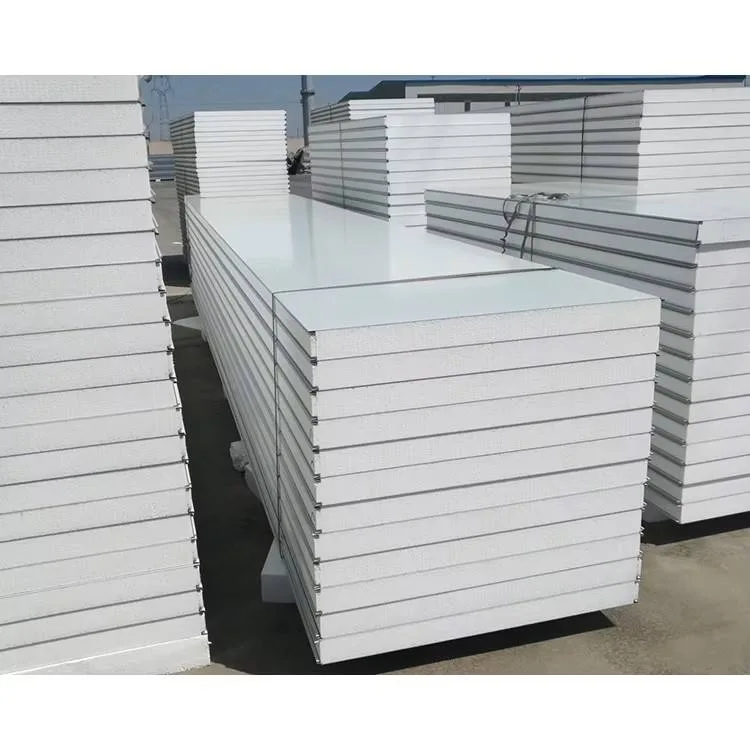
EPS Sandwich Panel
Expanded Polystyrene core. Ultra-lightweight, highly water-resistant, and the most economical insulated panel solution.
- Core: EPS Foam
- Best For: Prefab houses, standard warehouses, temporary offices.
- Fire Rating: B2 / B3
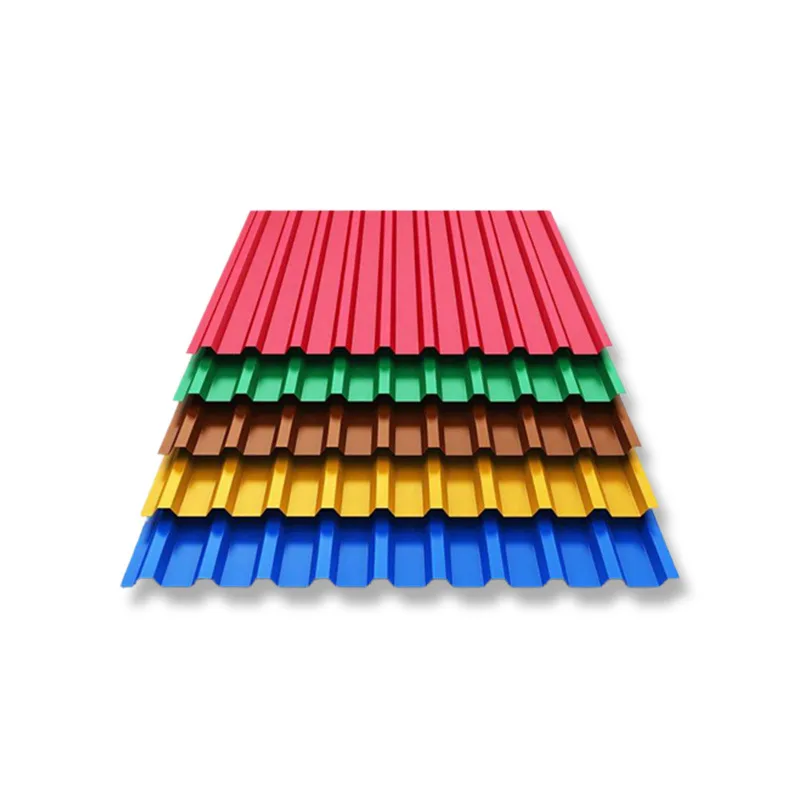
Single-Layer Corrugated Sheet
Prepainted galvanized (PPGI) or galvalume (PPGL) steel sheets. Roll-formed into various profiles for basic weather protection.
- Core: None (Solid Steel)
- Best For: Uninsulated sheds, farm canopies, roofing overlays.
- Thickness: 0.3mm - 0.8mm
Sandwich Panel Selection Matrix
Compare the core technical parameters to select the perfect cladding material for your building's climate, fire safety regulations, and budget.
| Parameter / Type | PU / PIR Panel | Rock Wool Panel | EPS Panel | Single Steel Sheet |
|---|---|---|---|---|
| Fire Rating | Class B1 / B2 (Flame Retardant) | Class A (Non-Combustible) | Class B2 / B3 | Class A |
| Thermal Conductivity (W/m·K) | ≤ 0.024 (Best) | ≤ 0.043 | ≤ 0.041 | None |
| Core Density (kg/m³) | 38 - 42 | 80 - 120 (Heavy) | 8 - 20 (Light) | N/A |
| Water Absorption | ≤ 2% (Excellent) | ≥ 5% (Requires sealing) | ≤ 3% | 0% |
| Acoustic Insulation | Good | Excellent (Sound Absorbing) | Fair | Poor |
| Available Thickness (mm) | 50, 75, 100, 150, 200 | 50, 75, 100, 150 | 50, 75, 100, 150, 200 | 0.3 ~ 0.8 |
| Effective Width (mm) | Wall: 950 / 1000 / 1150 mm | Roof: 950 / 1050 mm | 750 ~ 1050 mm depending on profile | ||
Continuous Production Line
Our fully automated continuous production lines ensure perfect bonding, consistent thickness, and zero-defect output for every square meter of sandwich panel.
Decoiling & Roll Forming
PPGI steel coils are precision roll-formed into corrugated profiles, adding structural rigidity to the metal skins.
Adhesive / Foaming
High-pressure PU liquid foaming or advanced polyurethane adhesive is sprayed evenly to ensure 100% core bonding.
Double Belt Pressing
The sandwich layers enter a heated double belt press, curing the core and ensuring a perfectly flat, seamless panel.
Automated Cutting
Panels are tracked via sensors and cut precisely to your custom length on-the-fly, eliminating waste and speeding up installation.
Premium Steel Coil Coatings
The longevity of a sandwich panel heavily relies on its exterior steel skin. We use high-grade galvanized (Z) or galvalume (AZ) steel coils, coated with multi-layer paints to resist UV fading and chemical corrosion.
-
PE
Polyester (PE)
Standard coating for normal environments. Economical with a 7-10 year color lifespan.
-
HDP
High Durability Polyester (HDP)
Enhanced UV resistance, perfect for areas with intense sunlight. 15-year lifespan.
-
PVDF
Fluorocarbon (PVDF)
The ultimate architectural coating. Highly resistant to chemical corrosion and extreme weather. 20-25+ year lifespan.
Advanced Panel Joint Systems
How panels connect determines the building's waterproof integrity and visual appeal. Our continuous production line forms precise interlocking edges for seamless installation.
Concealed Fastener Wall Panels
Screws are completely hidden within the interlocking joint. Creates a beautifully smooth, architectural flat facade with zero exposed screw heads to rust.
Exposed Fastener Wall Panels
Tongue-and-groove joint secured directly to the purlin with color-matched self-tapping screws. Highly reliable and fast to install for standard workshops.
Overlapping Roof Panels
Deep corrugated ribs with an overlapping wave design. Includes a capillary groove to block wind-driven rain, ensuring 100% leak-proof roofs.
One-Stop Accessories & Flashing Systems
To ensure a 100% waterproof and aesthetically perfect building envelope, we provide a complete set of matching accessories tailored to your specific architectural design. No need to source parts from multiple vendors.
- Color-Matched Edge Flashing & Trims (Corners, Eaves, Ridges)
- Galvanized Steel Gutters & PVC Downpipes
- Self-Tapping Screws & High-Strength Fasteners
- Waterproof Butyl Tape & Silicone Sealants
- Aluminum Profiles (Specifically for Clean Room Panels)
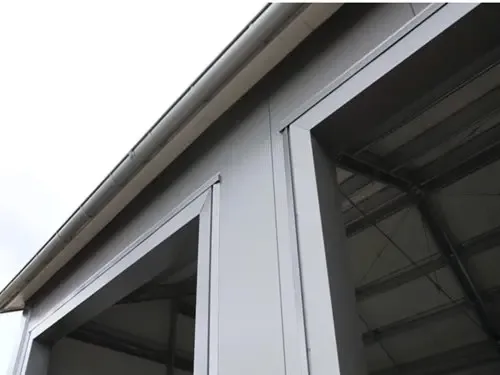
Zero-Damage Ocean Freight Packaging
Sandwich panels are susceptible to scratches and dents during long-distance ocean transit. We employ a rigorous, multi-layered packaging strategy to guarantee flawless arrival.
PE Protective Film
Every single panel is coated with a clear, peel-able PE protective film on both sides to prevent scratching of the paint during manufacturing and installation.
EPS Edge Protectors
The vulnerable interlocking edges (tongue and groove) are buffered with thick EPS foam blocks, absorbing any impact during container stuffing and unloading.
Maximized Container Load
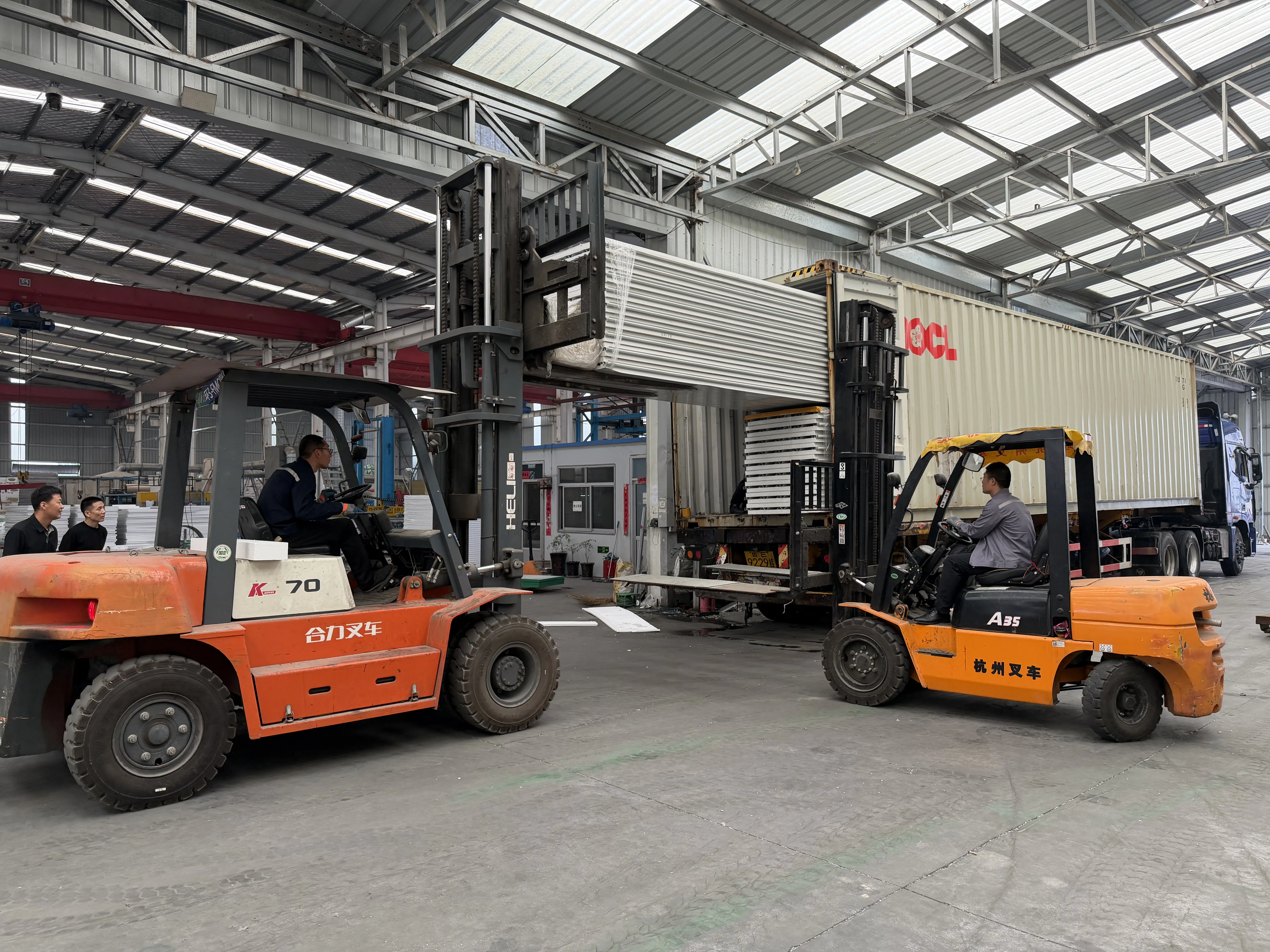
Panels are bundled and strapped securely onto customized steel pallets. We use 40HQ containers and advanced loading software to maximize volume and save your sea freight costs.
Featured Cladding Projects
Explore how our insulated sandwich panels and architectural cladding systems protect industrial and commercial facilities worldwide.
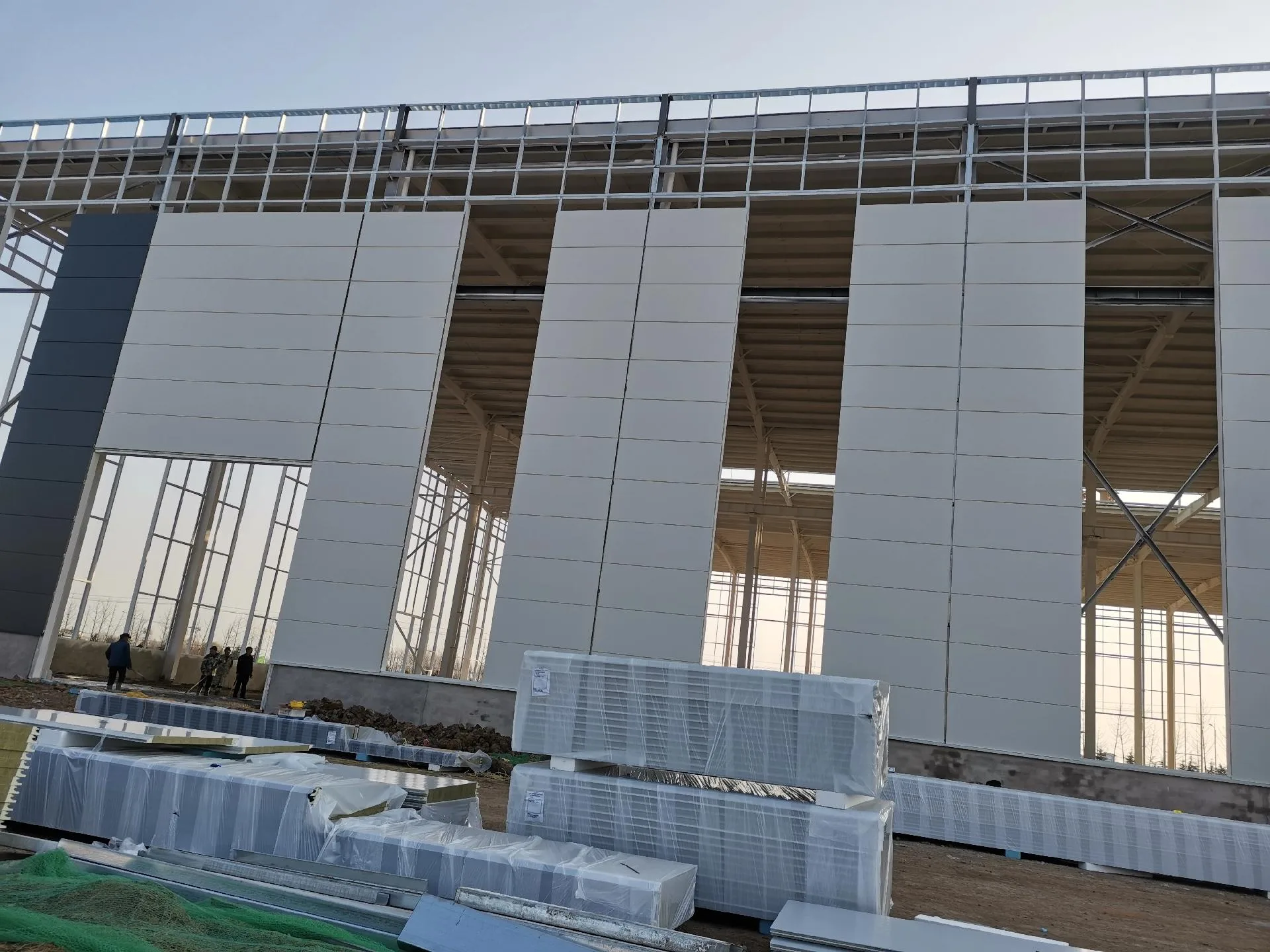
Fireproof Rock Wool Panels for Food Warehouse
- Material: High-Density Rock Wool Core
- Application: Exterior Wall Cladding (Food Warehouse)
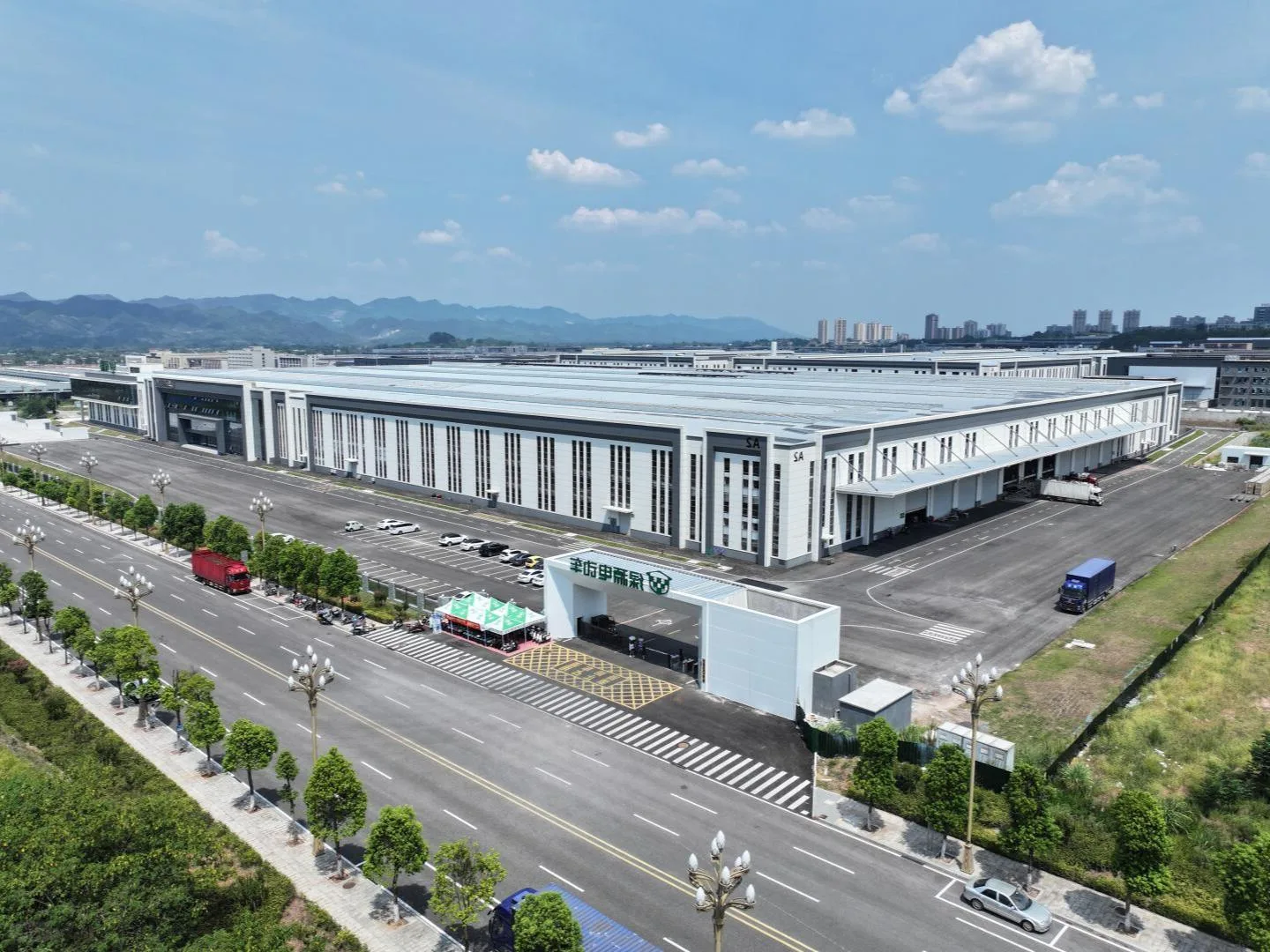
PU-Sealed Rock Wool Panels for Industrial Park
- Material: PU Edge-Sealed Rock Wool Panels
- Application: Fireproof & Thermal Industrial Park
EPS Sandwich Panels for Food Processing Plant
- Material: Expanded Polystyrene (EPS) Core
- Application: Food Processing Wall & Roof Cladding
Frequently Asked Questions
Key specifications, core comparisons, fire ratings, acoustic data, and pricing guidelines for insulated sandwich panels and metal cladding.
1. What are the primary differences between PU/PIR, Rockwool, EPS, and Single-Skin Corrugated Steel Sheets?
Each cladding material targets distinct thermal, fire protection, and budgetary requirements for steel structure buildings:
- PU / PIR (Polyurethane / Polyisocyanurate): Delivers the highest thermal insulation efficiency (thermal conductivity λ ≈ 0.019–0.022 W/(m·K)) with PIR achieving certified Class B1 flame retardancy. Best for cold storage facilities (Cold Storage Buildings) and climate-controlled commercial buildings.
- Rockwool (Mineral Wool): Offers ultimate Class A non-combustible fire resistance (1 to 4 hours fire barrier) and acoustic sound dampening. Essential for industrial workshops (Industrial Workshops), power plants, and chemical storage.
- EPS (Expanded Polystyrene): The most cost-effective insulated panel option. Lightweight and easy to install, making it ideal for standard dry warehouses (Steel Warehouses) and modular site offices.
- Single-Skin Corrugated Steel Sheets: Uninsulated color-coated steel sheeting (PPGI/Aluzinc). Best for unheated agricultural canopies, open-sided equipment sheds, and livestock facilities (Livestock Farm Structures).
2. Which wall panel provides the highest thermal insulation and lowest U-value?
PIR and PU panels deliver the highest insulation performance, requiring nearly half the wall thickness of other materials to reach identical R-values:
- PIR / PU Core: 100mm thickness provides R ≈ 26–28 ft²·°F·hr/BTU (U ≈ 0.20–0.22 W/(m²·K)).
- EPS Core: 100mm thickness provides R ≈ 18 ft²·°F·hr/BTU (U ≈ 0.33–0.38 W/(m²·K)).
- Rockwool Core: 100mm thickness provides R ≈ 15–16 ft²·°F·hr/BTU (U ≈ 0.40–0.44 W/(m²·K)).
- Single-Skin Sheeting: Offers near-zero thermal resistance (R ≈ 0.5–1.0), requiring an in-situ fiberglass insulation blanket with vapor barrier foil if condensation control is needed.
3. How do the fire resistance ratings compare across all four panel systems?
Fire safety compliance depends strictly on local building codes, insurance mandates, and facility occupancy:
- Rockwool Panels (Class A1 / A2 Non-Combustible): Melting point exceeds 1,000°C. Delivers 60 to 240 minutes of structural fire integrity (certified under EN 13501-1, ASTM E119, and BS 476), releasing zero toxic smoke or flaming droplets.
- PIR Panels (Class B-s1, d0 / Class B1 Flame Retardant): Self-extinguishing upon flame removal, forming a protective carbonized char layer under direct fire.
- PU Panels (Class B2): Standard combustible foam; burns if exposed to continuous heat sources and requires flame-retardant additives.
- EPS Panels (Class B2 / B3): Low melting point (~100°C); shrinks and releases smoke rapidly under fire exposure, generally restricted from high-hazard industrial zones.
- Single-Skin Steel Sheets (Class A Non-Combustible): Made of solid steel and will not ignite, but conducts high temperatures rapidly across structural purlins.
4. What is the average fabrication cost per square meter for each panel type?
Factory-direct FOB supply prices vary based on steel skin gauge (0.4mm–0.8mm), core density, and coil coating quality:
- Single-Skin Steel Sheets (0.4mm – 0.7mm): $4.50 – $8.50 USD / m² (solid PPGI/PPGL corrugated steel).
- EPS Sandwich Panels (50mm – 150mm / 12–18 kg/m³): $9.00 – $15.50 USD / m² (economical insulated panels).
- PU / PIR Sandwich Panels (50mm – 150mm / 38–42 kg/m³): $16.00 – $32.00 USD / m² (high-efficiency thermal panels).
- Rockwool Sandwich Panels (50mm – 150mm / 100–120 kg/m³): $15.50 – $28.00 USD / m² (fire-rated mineral wool panels).
5. When should I choose Single-Skin Corrugated Steel Sheets over insulated sandwich panels?
Single-skin profile sheets represent the most economical building envelope solution when climate control is unnecessary:
- Unconditioned Warehouses & Canopies: Ideal for dry cargo storage, bulk minerals, or heavy equipment yards where temperature fluctuations do not damage goods.
- Open-Sided Agricultural Sheds: Frequently used in naturally ventilated livestock barns and tractor carports where constant natural airflow removes moisture.
- Site-Assembled Double-Skin Systems: When combining single sheets with fiberglass blanket rolls and wire mesh on-site to reduce ocean container shipping volume.
6. Why are PIR and PU sandwich panels mandatory for cold chain and refrigerated warehouses?
Cold chain logistics demand airtight envelopes with zero vapor permeability and continuous thermal boundaries:
- Elimination of Thermal Bridging: Precision tongue-and-groove interlocking joints with internal cam-lock fasteners pull panels tightly together to block cold air leakage.
- Closed-Cell Vapor Resistance: With a closed-cell ratio exceeding 95%, PIR cores do not absorb airborne humidity or allow internal frost buildup.
- Hygienic Food-Grade Finishes: Panels can be laminated with anti-bacterial PVDF, food-safe Plastisol, or Grade 304 stainless steel facings compliant with HACCP and FDA sanitary regulations.
7. Which sandwich panel is best for noise reduction and sound insulation?
Rockwool sandwich panels provide the highest acoustic dampening due to their dense, fibrous core structure:
- Sound Transmission Loss: A standard 100mm rockwool panel achieves a sound reduction index of Rw ≈ 30–34 dB, isolating loud manufacturing machines, highways, or heavy rain impacts.
- Perforated Acoustic Panels: For sports arenas (Public Arenas & Stadiums) and power generator rooms, we manufacture panels with inner perforated steel skins that absorb reverberant echoes.
8. What purlin spacing and structural load capacities are supported by these panels?
Allowable spans depend on the core material's shear strength, panel profile depth, and steel skin thickness:
- Roof Panels (Corrugated 3-Rib / 5-Rib Profile): Ribbed profiles provide high moment of inertia, supporting purlin spans between 1.2m and 2.0m under heavy snow and wind suction loads.
- Wall Panels (Flat, Micro-Rib, or Corrugated): Installed vertically or horizontally, standard 50mm–100mm panels span 1.5m to 3.0m+ between structural girts without panel deflection or oil-canning.
9. What steel coatings and coil finishes does XinQiao Steel supply for harsh environments?
To ensure a 20- to 40-year lifespan under varying atmospheric conditions, we offer certified coil surface treatments:
- Polyester (PE): The standard economic coil coating for inland, low-corrosion industrial environments (7–10 year color guarantee).
- High-Durability Polyester (HDP): Enhanced UV and chalking resistance, formulated for regions with high solar radiation and tropical climates (15-year guarantee).
- Fluorocarbon (PVDF): Premium coating for coastal, marine, and chemical environments with extreme resistance to airborne salts, acid rain, and UV fading (20–25+ year guarantee).
- Stainless Steel (Grade 304 / 316): Engineered for meat processing plants, seafood docks, and chemical laboratories requiring caustic washdowns.
10. What joint connection systems are available to ensure water-tightness and eliminate exterior fasteners?
We engineer edge profiles based on weather exposure, thermal requirements, and architectural aesthetics:
- Concealed Fastener (Hidden Screw) Wall Panels: Self-tapping screws are driven through a recessed inner flange, hidden by the interlocking tongue of the adjacent panel to create a clean, modern facade without exposed fasteners.
- Overlapping Weather-Sealed Roof Panels: Features deep capillary grooves and pre-applied butyl sealant tape on the overlapping crests to prevent water siphoning during heavy rainstorms.
- Eccentric Cam-Lock Systems: Cast-in hooks and pins installed in cold storage wall panels that pull panels mechanically tight during field installation without drilling into the core.